


Value-added Services - Textile Printing
October 15, 2021 at 9:40 am
Ferris State University's in-plant recently installed a Melco EMT16X embroidery machine to tap into the growing demand for personalized T-shirts and garments.

October 15, 2021 at 9:14 am
By printing T-shirts and other garments, University of Hartford Print and Mail Services has found both a profitable niche and a way to add value on campus.

September 24, 2021 at 10:12 am
This new multi-station direct-to-garment printer delivers productivity, versatility, and flexibility at a lower price than high-volume industrial DTG machines.
June 25, 2021 at 10:30 am
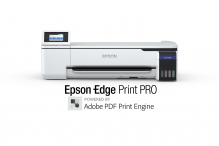
The 24-inch SureColor F570 Professional Edition desktop dye-sub printer is ideal for creating promotional products and apparel decorations, including personalizing awards, mugs, mousepads, and garment embellishments.

June 9, 2021 at 9:19 am
As director of Purchasing, Mail and Printing Solutions at Franklin University, Bob Donahue gets a look at the work procured outside.
May 12, 2021 at 11:21 am
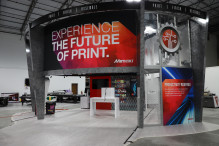
When considering soft signage and other wide-format fabric applications, both direct-to-fabric printing and dye-sublimation transfer are viable options. But which will work best for the applications your in-plant has in mind?

April 9, 2021 at 9:06 am
Digital textile printing is reshaping the fast fashion industry, giving brands greater flexibility in the products, patterns, and even fabrics that can be offered, alongside offering a much more sustainable product that is needed in a more environmentally-conscious world.

September 17, 2020 at 4:38 pm
Heat printing is fast, flexible, easy to learn, and less expensive than other garment decorating techniques.

July 29, 2020 at 10:34 am
Disenfectex printable fabrics enhanced by HeiQ V-block have been specially engineered to work against enveloped viruses, such as influenza viruses and human coronaviruses.

July 16, 2020 at 5:34 pm
Printing soft signage, pole signs, exhibit displays and other applications onto textile materials may be within your in-plant’s capabilities and offer a new business opportunity to explore.

