Turn Blank Walls and Windows Into Your Canvas
June 11, 2026
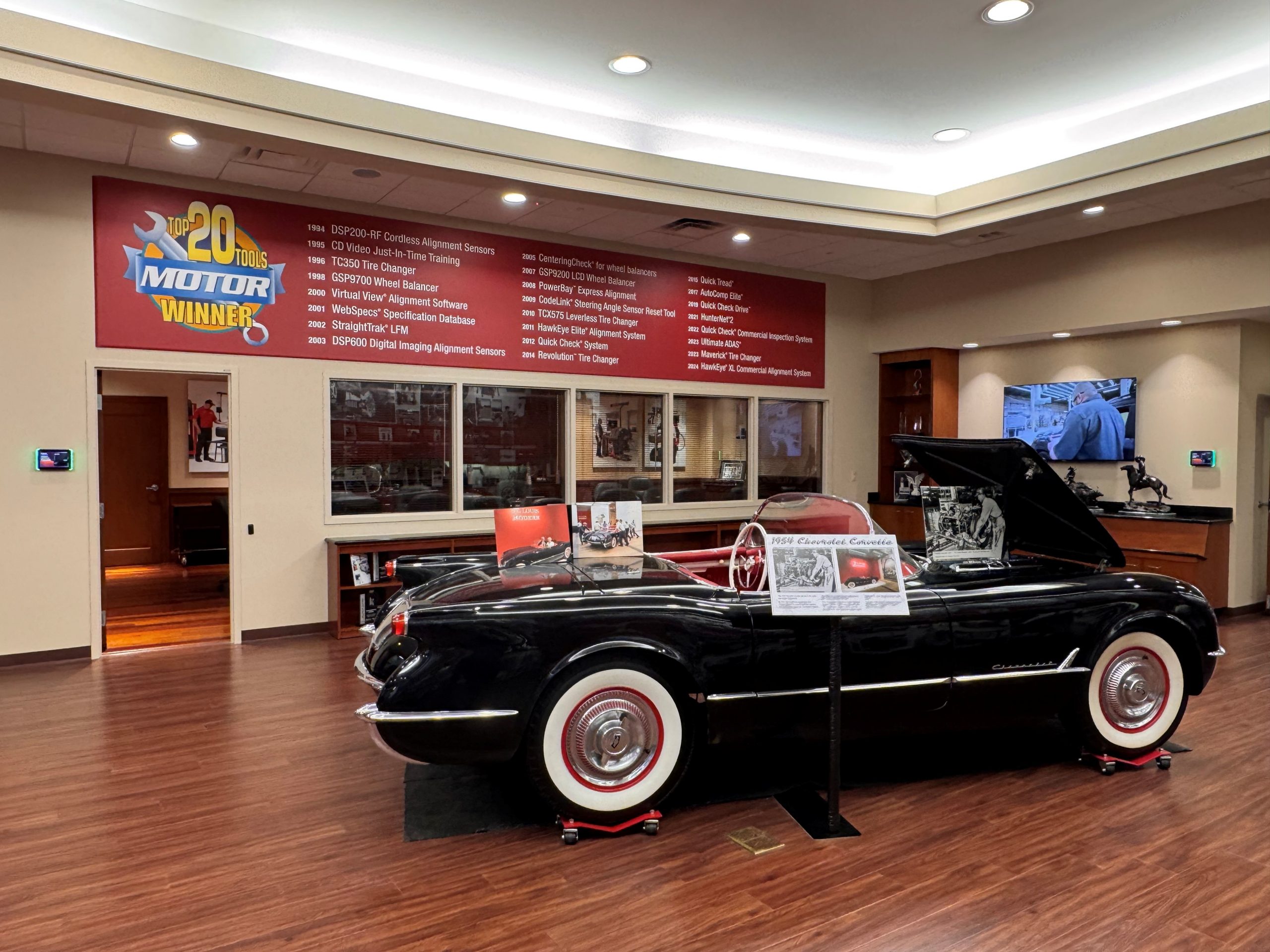
Vast improvements in wide-format printing technology combined with the increase in substrate options have opened countless window and wall decorating opportunities for in-plants.
The only thing worse than a blank wall is a bare window – because both are missed opportunities hiding in plain sight.
While 71% of in-plant printers are already producing wall graphics and 58% print window graphics according to IPI’s new research report (In-plant Capabilities, Performance, and Expansion), there’s still plenty of room for in-plants looking to capitalize on this thriving market.
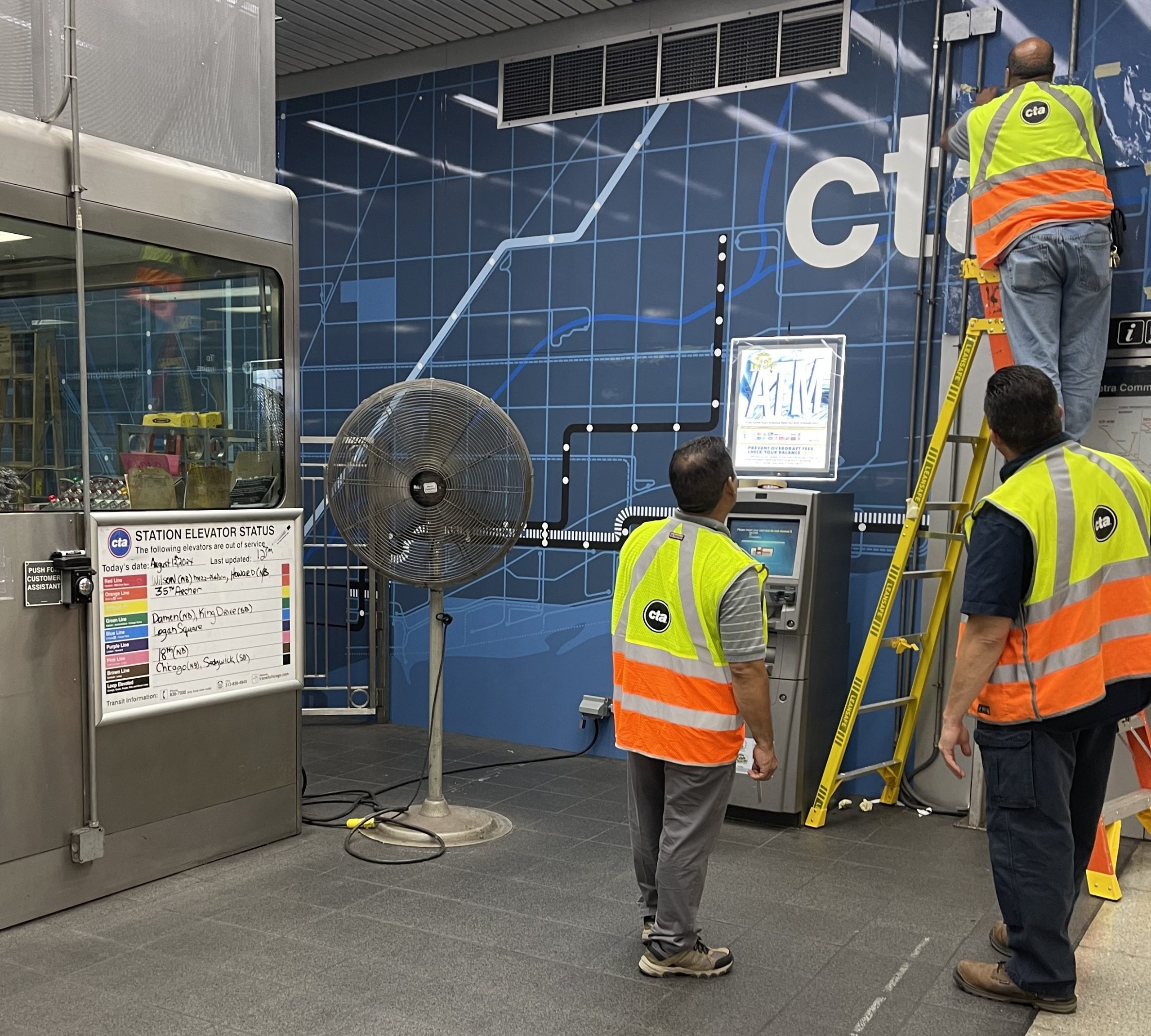
“Demand has absolutely increased over the years,” reports Victor Ramirez, manager of Signage & Wayfinding for the Chicago Transit Authority. “Departments and customers are more interested in transforming spaces rather than simply placing signage on walls or windows.”
The in-plant has been offering window and wall graphics since 2010 when it purchased an HP L25500 latex printer and hit the ground running.
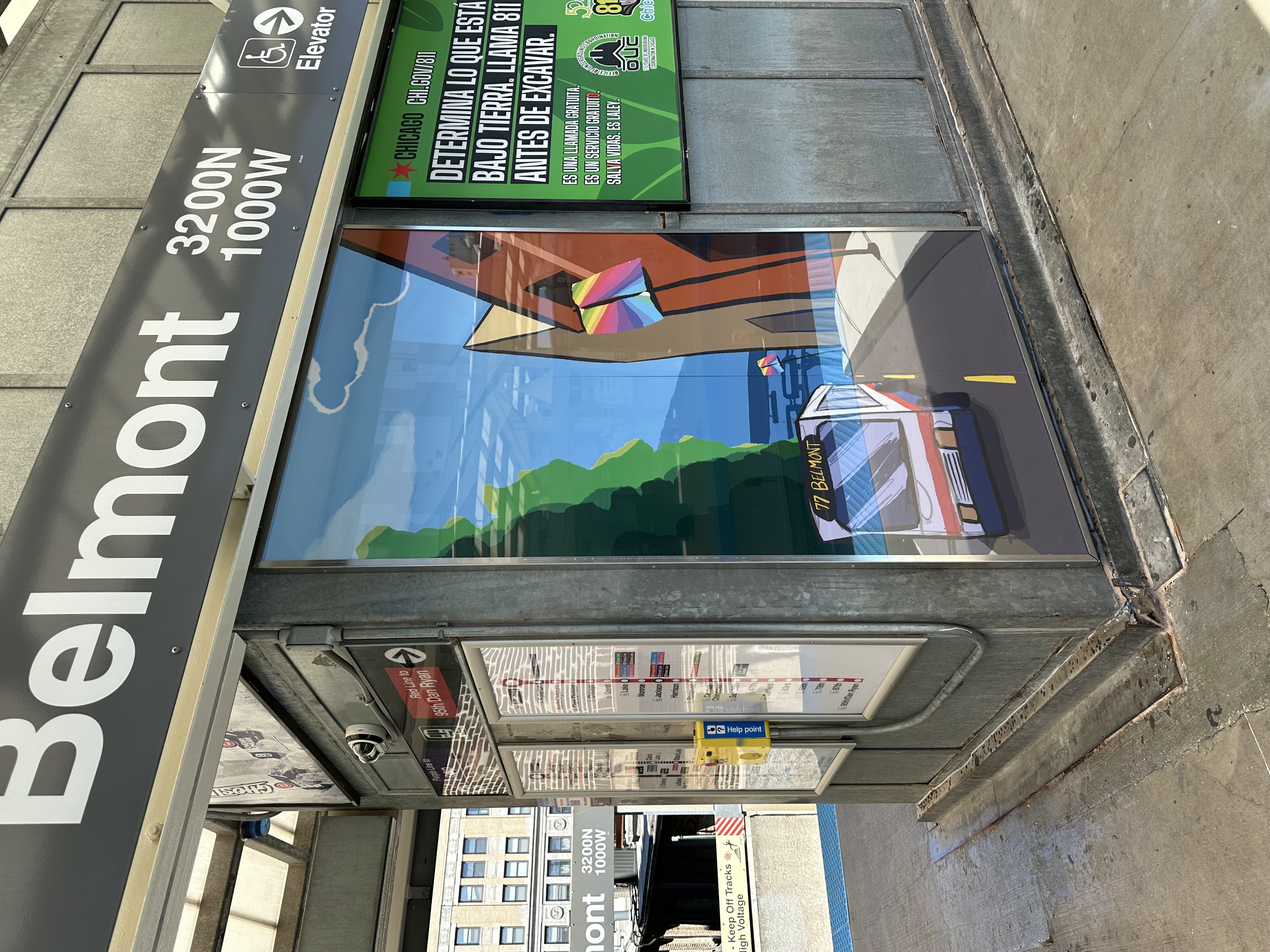
“Once we realized the capabilities of the latex platform, we began experimenting with interior and exterior vinyl applications, including window graphics and environmental branding,” Ramirez says. “Wall graphics, especially, have grown significantly because they can completely change the look and feel of an office, station, conference room, or public space without major construction costs. Window graphics have also increased due to branding opportunities, privacy concerns, and decorative applications.
"We have also seen more requests for temporary and seasonal graphics because our internal departments now understand that these materials can be installed and removed relatively easily.”
Another in-plant that recognized this opportunity is Garland Independent School District Printing Services in Garland, Texas. The 18-employee shop expanded into window and wall graphics in its quest for new revenue streams after COVID-19 eliminated around 100 of the forms it used to print.
Adding window and wall graphics, says Coordinator Keith Hopson, “increases revenue, beautifies our district, draws in customers for other projects, and keeps staff busy. Production of window, door, and wall graphics has held steady now for five years.”
Rich With Opportunities
The K-12 space is rich with opportunities for wall and window graphics, agrees Candida Bothel-Hammond, manager of Graphics Production, Communications and Creative Services for the San Diego County Office of Education (SDCOE).
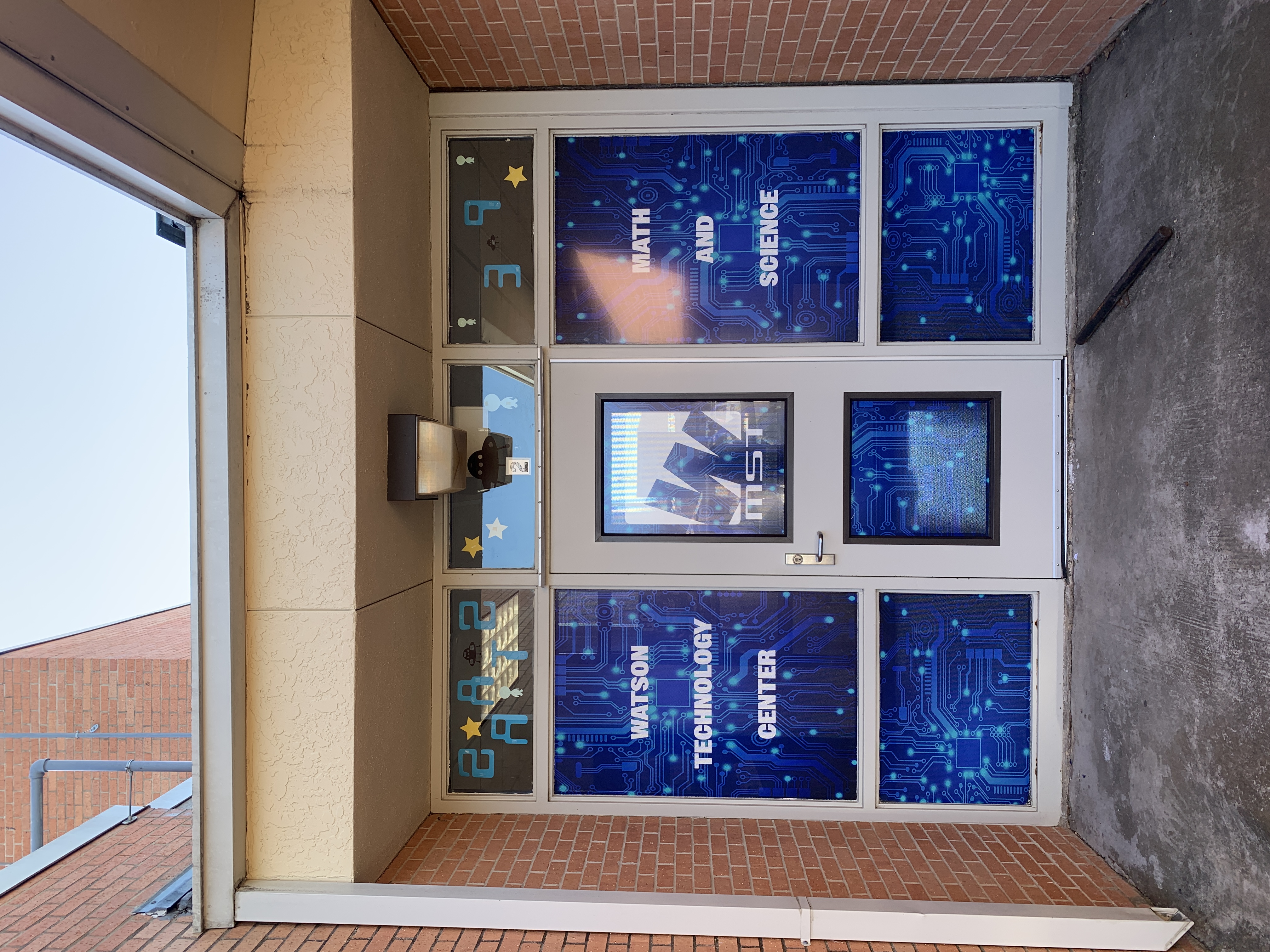
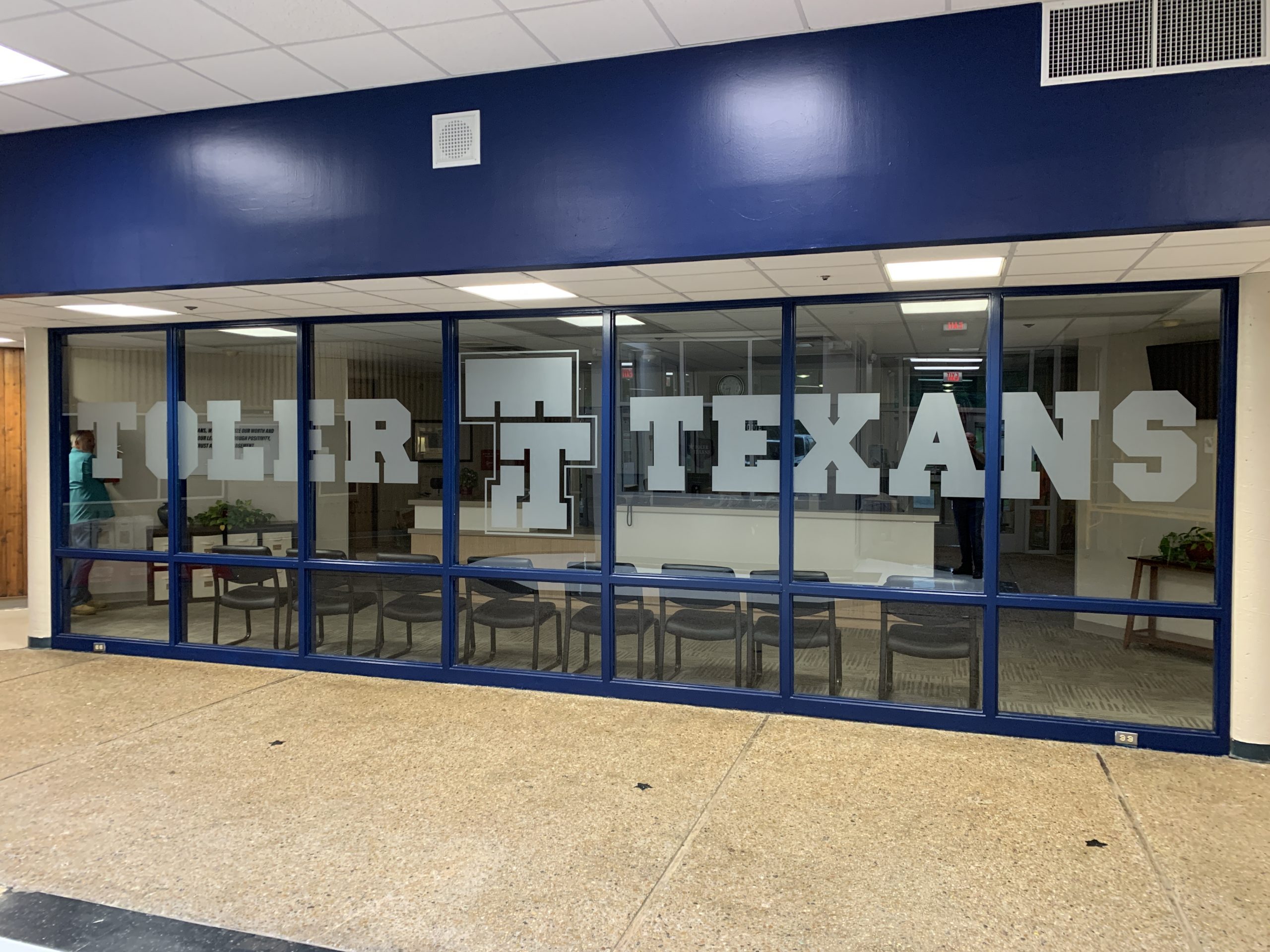
“The service we provide is a great way for schools to enhance their campuses, and at the same time provide security by cutting down the visibility into the classrooms,” she says.
Bothel-Hammond notes that the privacy aspect has seen a lot of growth at SDCOE.
“We are doing a lot of school campus windows with perforated vinyl,” she says. “We advertise to school sites [that this is] a way to keep spaces cooler and provide privacy to the classrooms while being able to show school spirit.”
The service we provide is a great way for schools to enhance their campuses, and at the same time provide security by cutting down the visibility into the classrooms.
— Candida Bothel-Hammond
For Hunter Engineering, in Bridgeton, Missouri, however, wall and window applications tend to run more toward the short term.
“We use temporary wall and window graphics for various events and presentations throughout the year,” says Mike Barnes, manager of Printing and Mail Services. “The savings in money — and more importantly, time — make this one of the most successful services we have added to the print room offerings.”
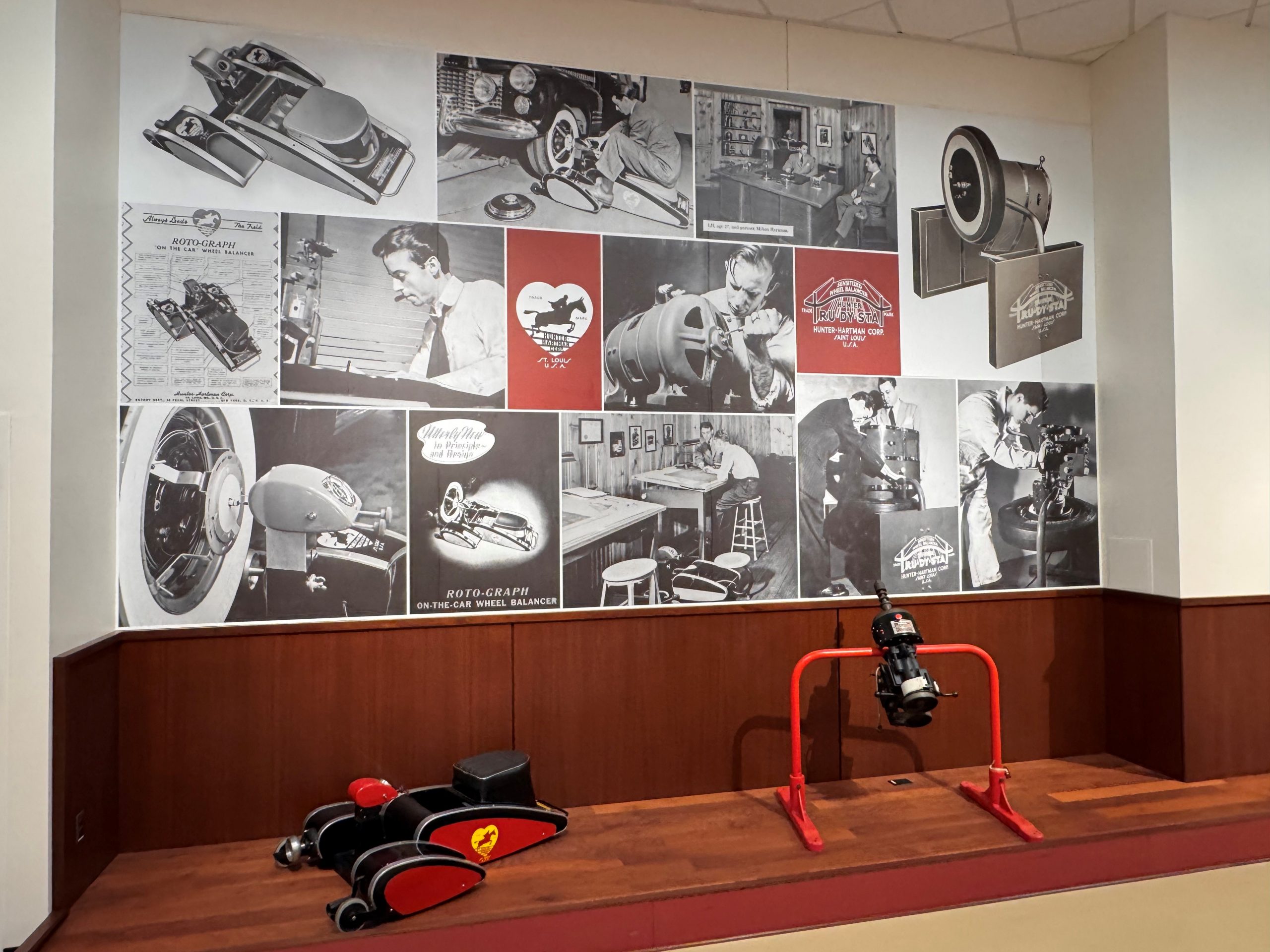
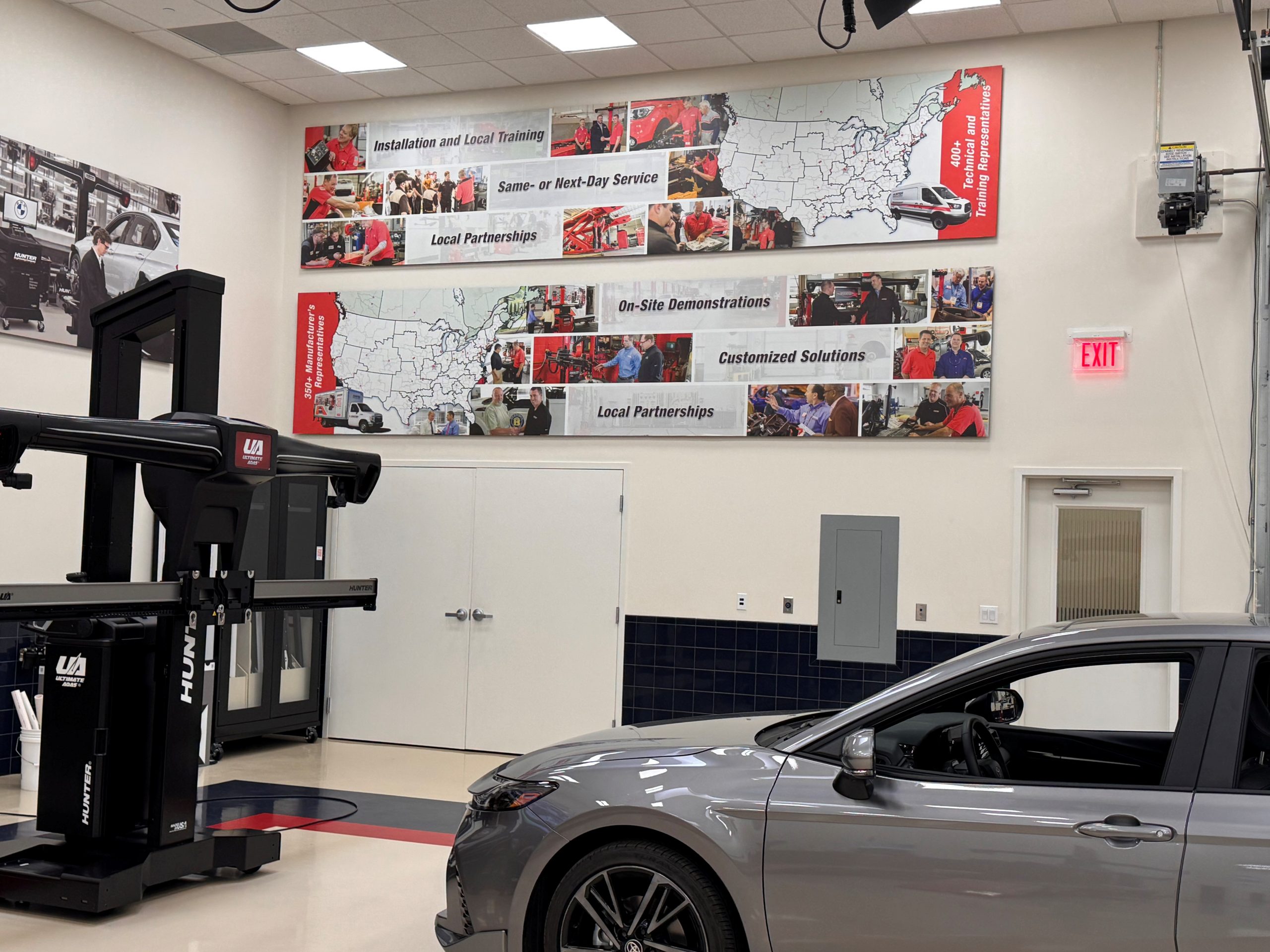
The in-plant has also produced larger-scale applications meant to help tell the story of the company, he adds. “The largest number of wall graphics are images of our equipment displayed on almost every wall in all our plants and offices,” Barnes says.
All these applications were once outsourced — if they were considered at all. The massive leap in capability and quality of wide-format technology, combined with the increase in substrate options, have opened countless window and wall decorating opportunities for in-plants.
Time and Materials
Each in-plant took a slightly different approach in the substrates and printers it invested in. At Hunter Engineering, for example, “Our wall graphics are all printed on a magnetic-receptive PET material,” Barnes notes. “We attach sheet magnet to the wall and mount the images on that. This allows us to update the graphics easily and change them out quickly in case of damage. We will occasionally print a one-off on standard wall noodle that is used for a brief time then removed.
“The majority of our window graphics are printed on a 60/40 perforated material,” he continues. “The vast majority of these are temporary and only used for specific events. We do have some permanent ones where people have requested some privacy. I have three printers, two Mimaki 54" roll-fed plotters — one with white ink to allow printing clear film — and one HP 60" roll-fed machine.”

At Chicago Transit Authority, the mix is a bit different. The in-plant typically prints on Arlon adhesive vinyl; 3M Scotchcal vinyl; 3M IJ and Controltac vinyl; perforated one-way vision film; frosted and etched-look vinyl; HP wallpaper media; Sihl wallpaper media; removable wall vinyl; and laminated cast or calendered vinyl.
“Our HP Latex printers have been the primary production devices for these applications because of their versatility, durability, and ability to produce odorless prints suitable for interior environments. We also use laminators and vinyl cutters/plotters for finishing and contour cutting,” Ramirez says.
“Learning to die-cut vinyl and properly apply it to windows definitely came with a learning curve, but it allowed our team to test different products, adhesives, and installation techniques while building confidence in the process.”
Our HP Latex printers have been the primary production devices for these applications because of their versatility, durability, and ability to produce odorless prints suitable for interior environments.
— Victor Ramirez
Garland ISD prints on 80/20 window film and Orajet 3651 materials using a 63" Mimaki roll-fed CJV330 and an older 63" Roland Soljet Pro 4 XR-640.
“We also have a Colex digital cutter that speeds up straight and contour cutting,” says Hopson.
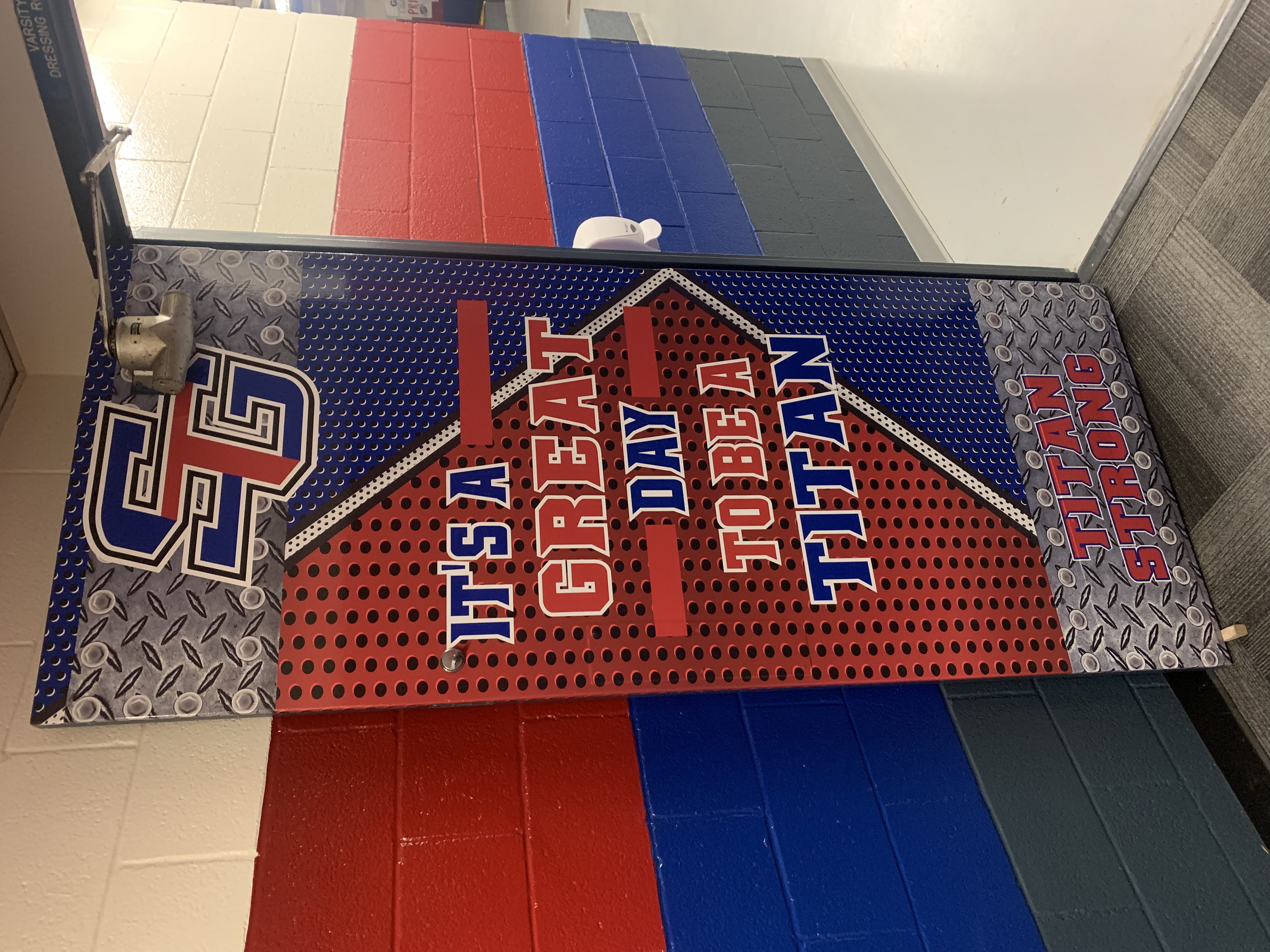
Finally, SDCOE prints “a lot of frosted adhesive and perforated vinyl. We print on Mimaki and Epson printers,” Bothel-Hammond says.
She offers some suggestions for her peers just getting started printing wall and window graphics.
“Practice with the materials to get comfortable with them before jumping into an installation,” she says. “Materials respond differently and knowing the ones that work for you can be a huge time saver. Automating processes will make window and wall decal installations more profitable. Getting exact window measurements and setting up files for print/cut can save lots of production time.”
Wall graphics are typically only one large graphic, so this is fairly easy to install with two team members.
— Keith Hopson
Others offer advice of their own.
“I would recommend you start small,” suggests Hopson. “Wall graphics are typically only one large graphic, so this is fairly easy to install with two team members. An office, cafeteria, or gym are good places to start.”
All wall surfaces and paint are different, he cautions, so always test the surface first.
“Take a couple of substrate samples and stick them to the wall. Leave them for a few days or a week if possible. This should help you determine which substrate works best for that specific wall,” Hopson advises.
Ramirez also has a few recommendations drawn from his long experience.
“One thing we would probably do differently is invest earlier in additional installation tools and training. Proper tools and preparation make a major difference in efficiency and final quality,” he says. “Window and wall graphics have evolved from a specialty product into a major component of visual communication, especially at the Chicago Transit Authority. Customers increasingly want spaces that are engaging, branded, and informative.
“For an in-plant print shop, these services help demonstrate creativity, adaptability, and value beyond traditional printing,” Ramirez continues. “They also create highly visible projects that showcase the capabilities of the shop to the entire organization. As materials and printer technologies continue to improve, environmental graphics will likely continue to grow as an important service area for in-plants.”
Barnes has no regrets about his in-plant’s path into wall and window graphics.
“Honestly, there is nothing I would do differently. I saw an opportunity, made a proposal, started small with one plotter and laminator, proved the value of them, and just grew from there,” he says. “Wide-format capability is probably one of the most valuable services you can add to an in-plant.
"If you have seen possible opportunities for wide-format, stop hesitating and do it," he urges. "The investment for a roll-to-roll printer is relatively low, and the ROI will probably be faster than you can imagine.”